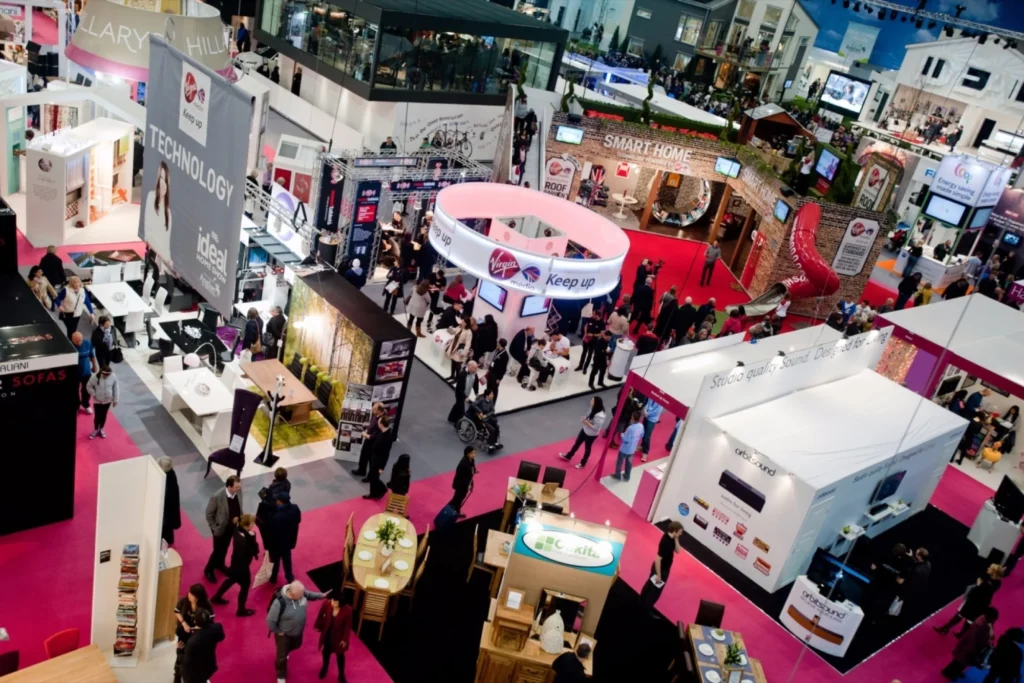
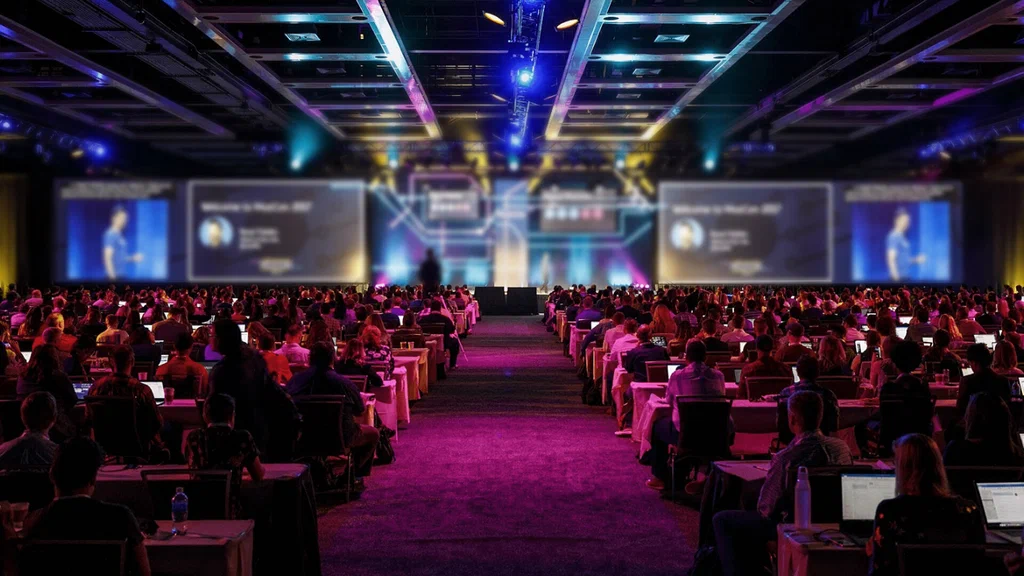
So, you have a venue, a date, and a guest list. Congratulations, you’ve entered the “project management” phase of event planning. But to truly transcend and create an event that lives in attendees’ memories, you must move beyond logistics into the realm of experience design.
An unforgettable event isn’t just about what happens at the event—it’s about the journey you take your guests on from the moment they hear about it to the fondness with which they recall it. Here’s how to think like an experience architect:
1. Weave a Compelling Narrative: Every great event tells a story. What is your theme, not just as a decoration concept, but as an emotional arc? Is it a journey of discovery? A celebration of innovation? A reunion of a community? Let this narrative guide every decision, from your invitation wording to the closing remarks.
2. Design for All Five Senses: Sure, the room looks beautiful. But what does it sound like? Is the music curated to match the energy of each segment? What signature scent or welcome cocktail engages the senses? Can you incorporate a tactile element, like an interactive art installation or textured décor? Multi-sensory engagement creates deeper, more lasting impressions.
3. Engineer Surprise and Delight: The magic often lies in the unexpected. This could be a surprise performance, a personalised gift at each seat, an immersive breakout room, or a gourmet course presented uniquely. These moments break the predictable script and generate the “wow” factor that guests will talk about.
4. Foster Authentic Connection: The best events facilitate human connection. Design spaces that encourage interaction—comfortable lounge areas, round tables, interactive food stations, or facilitated networking activities. When guests connect, the value of your event multiplies.
5. Master the Pacing: Like a good film or novel, your event needs a compelling rhythm. Balance high-energy keynotes with reflective workshops. Follow a dense learning session with a social coffee break. A well-paced event feels dynamic and respects your guests’ energy levels.
Remember: People may forget the specifics of a speaker’s slide, but they will never forget how an event made them feel. By shifting your focus from mere execution to intentional experience design, you create not just an event, but a milestone.